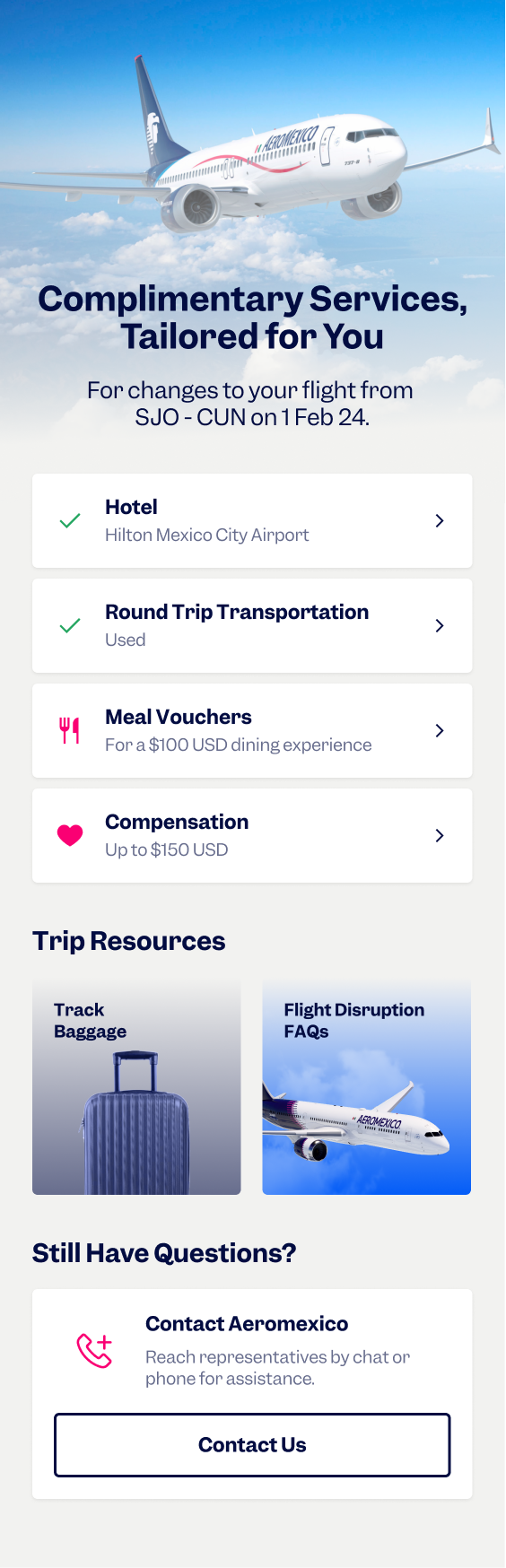
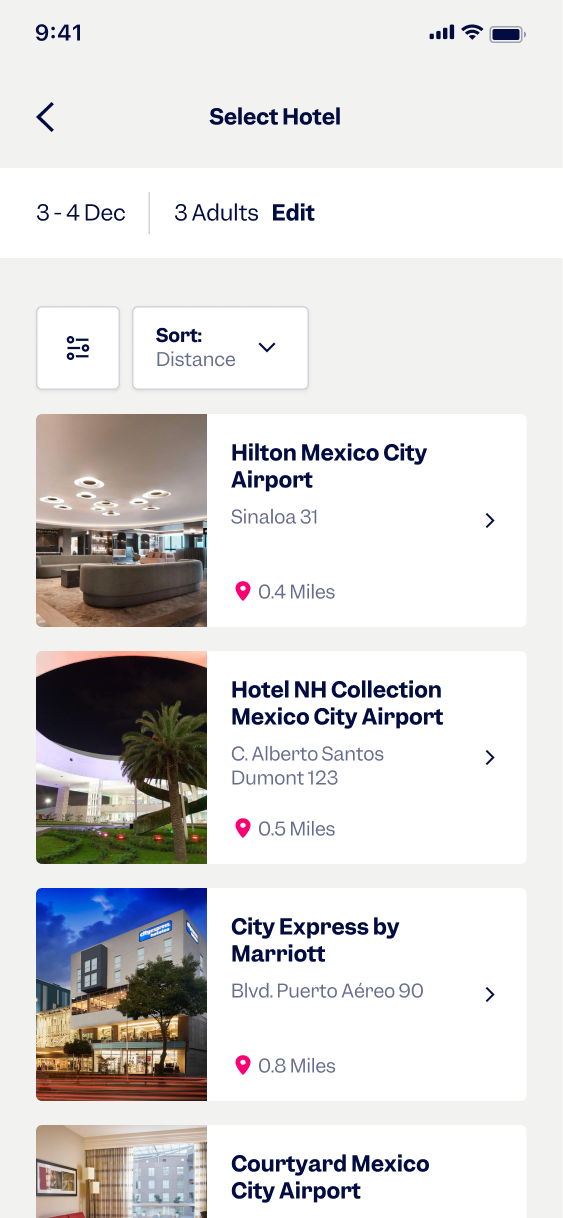
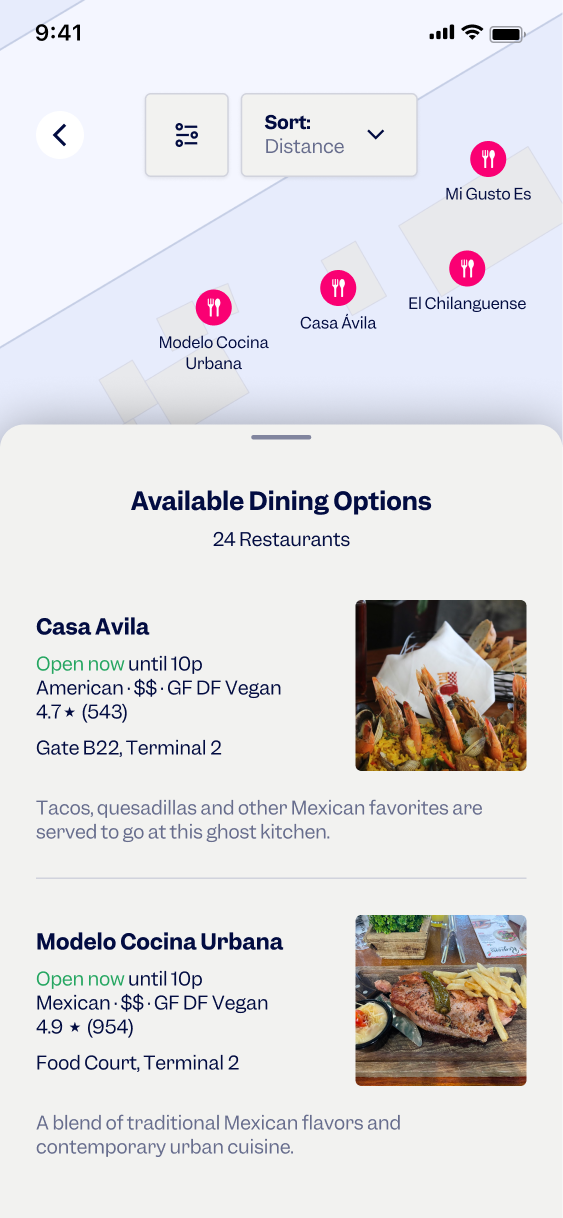
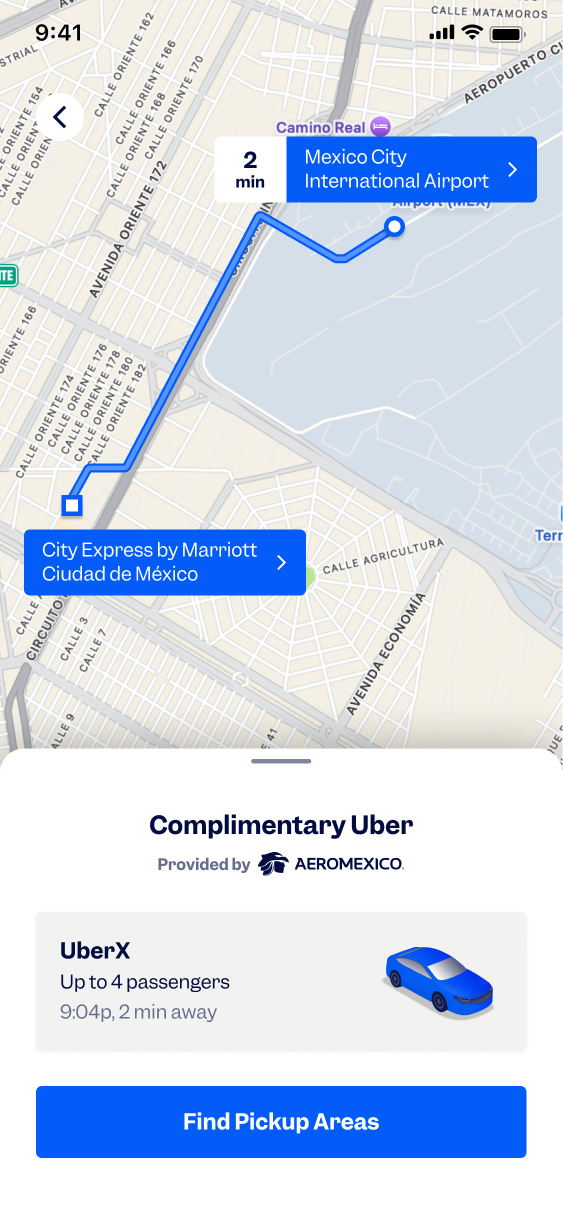
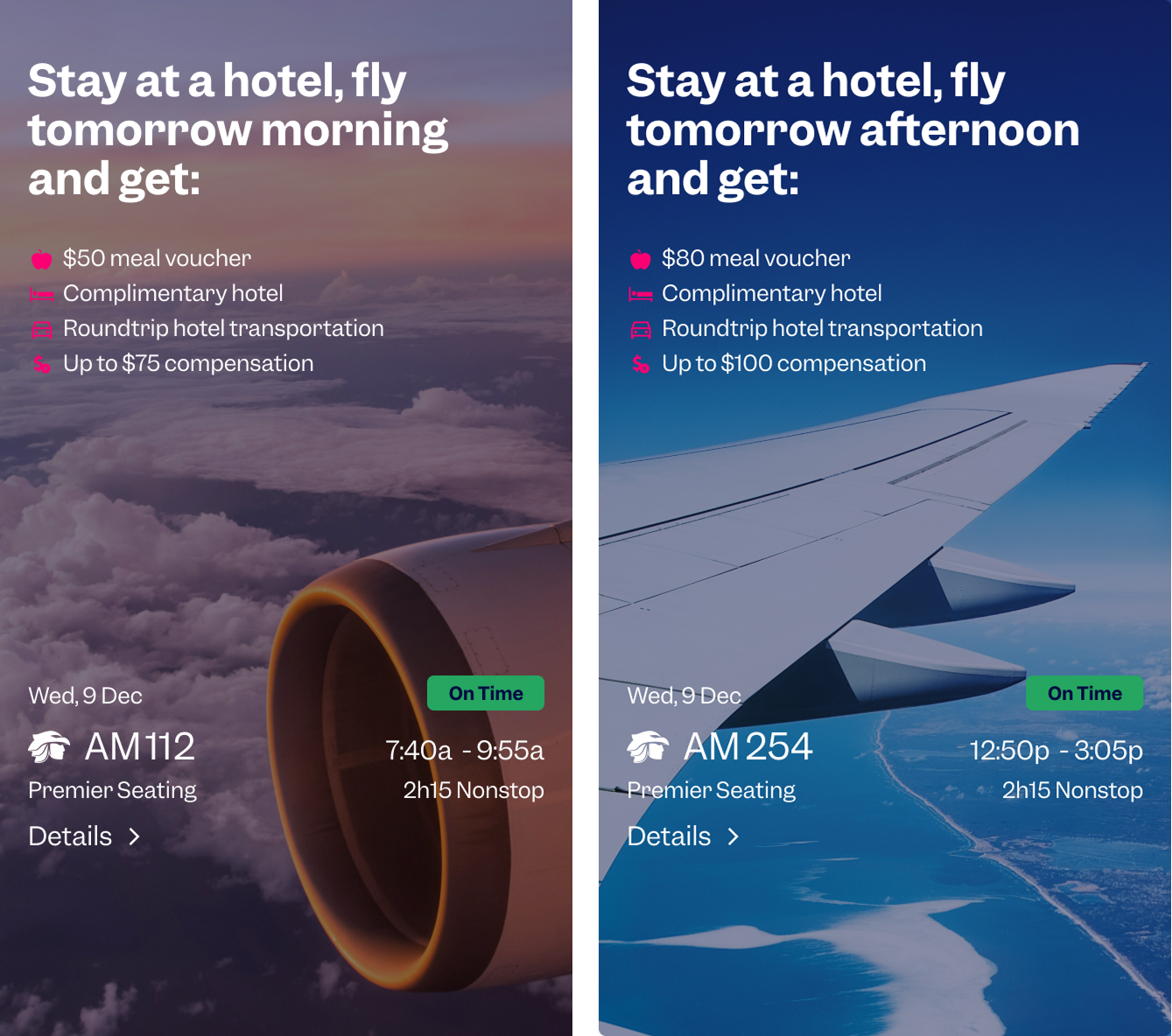
A mobile self-service experience that helped Aeroméxico guide disrupted travelers through rebooking, hotel support, compensation, refunds, and travel vouchers.
When flights were delayed, canceled, or disrupted, travelers relied on agents, call centers, airport staff, and manual compensation processes to understand what changed and what they could do next. This created stress for customers and operational pressure for the airline.
My Role
Led the design of core mobile self-service flows for reaccommodation support, compensation, and wallet vouchers, while helping establish scalable patterns for disruption support.
Impact
Contributed to a 28% reduction in call center volume against an approximately 1M-call annual baseline.
Through 6 workshops with stakeholders across business, product, and UX, we aligned the project around two goals:
Improve the traveler experience
Flight disruptions are stressful. The product needed to help travelers quickly understand what they could do next, including rebooking, hotel support, compensation, and refunds.
Reduce operational pressure
Many disruption-related requests were handled through agents, call centers, and manual compensation processes. Moving these tasks into mobile self-service could reduce service volume and help teams focus on more complex cases.
Overarching Goals
Improve Traveler Experience
Metric: Improve Service Recovery NPS + 15pp
Reduce Costs
Metric: Increase digital self-service adoption
Sub-Goals
Make support easier
Reduce wait time
Improve customer effort score
Reduce reaccommodation time
Improve communication
Increase contactability
Improve notification lead time
Increase trip disruption support NPS
Expand digital self-service
Increase digital containment
Increase digital passenger journeys
Reduced call/agent volume
Digitize compensation
Increase digital refund share
Increase Aerowallet share
Reduce manual compensation handling
To align teams before design, we ran a stakeholder survey across business, product, and operations. I partnered with the PM and strategist to turn the results into MVP scope, focusing on the overlap between customer frustration, service cost, and operational complexity.
When flights were delayed, canceled, or disrupted, travelers had to rely on agents, call centers, and manual support to understand what they could do next. This created three major problems.
Problem 01
Travelers Had to Chase Information
During disruptions, travelers had to search across flight status pages, airport announcements, call centers, and service desks to understand what changed. The information existed, but it did not always reach them when they needed it.
Problem 02
Support Was Spread Across Channels
Rebooking, hotel support, meal vouchers, refunds, baggage help, wallet credits, and customer service lived in different places. Travelers had to jump between channels instead of handling everything through one clear path.
Problem 03
Support Status Was Hard to Track
Even after taking action, travelers did not always know what was confirmed, what was pending, what failed, or what still needed their attention. It often felt like sending a request into a black hole.
Based on the three CX problems, we defined three design principles to guide the travel disruption self-service experience.
Solution 01
Proactive Support
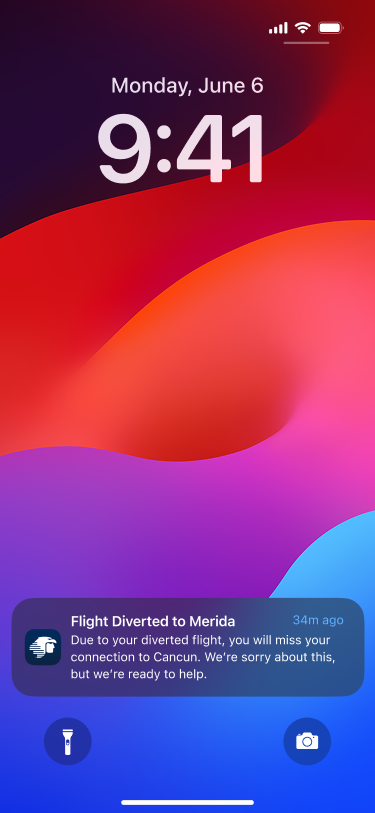
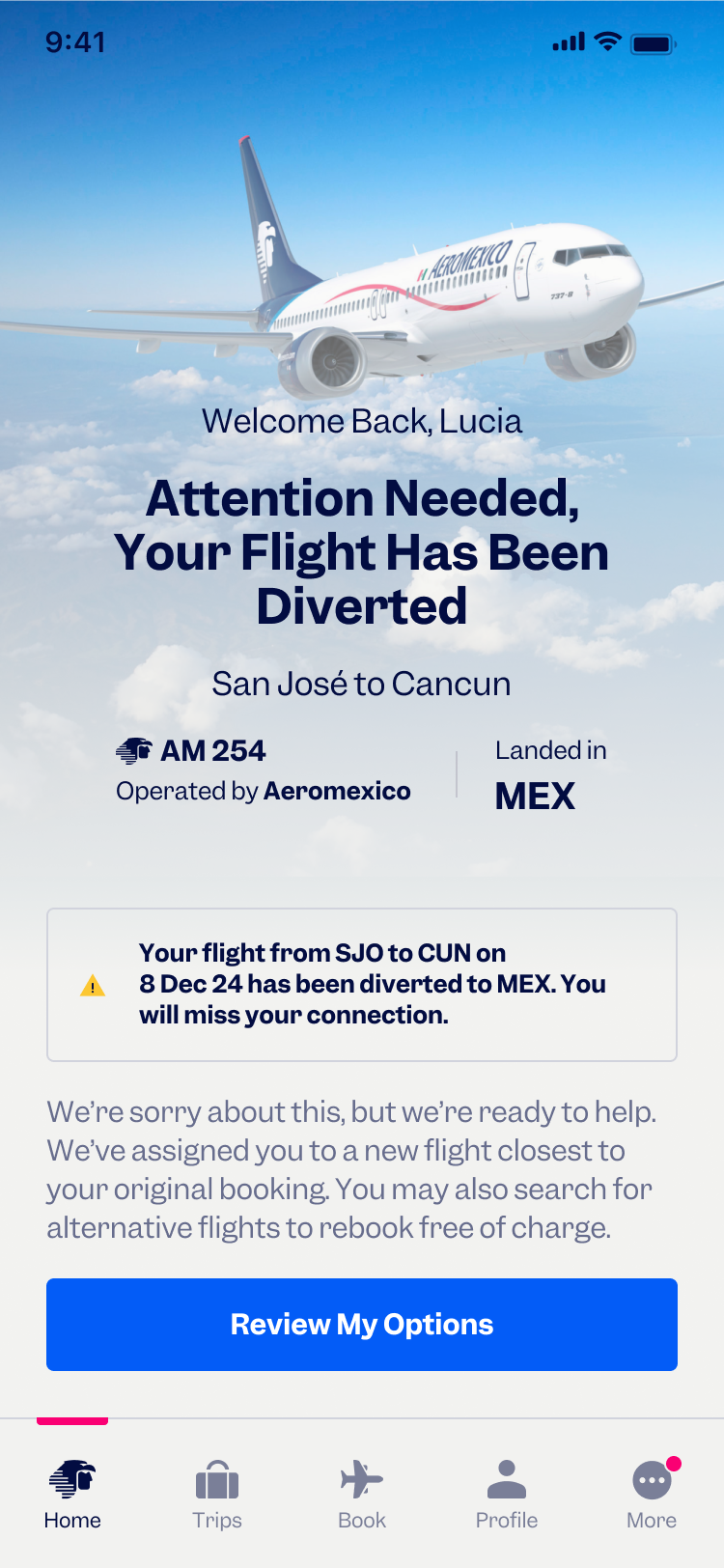
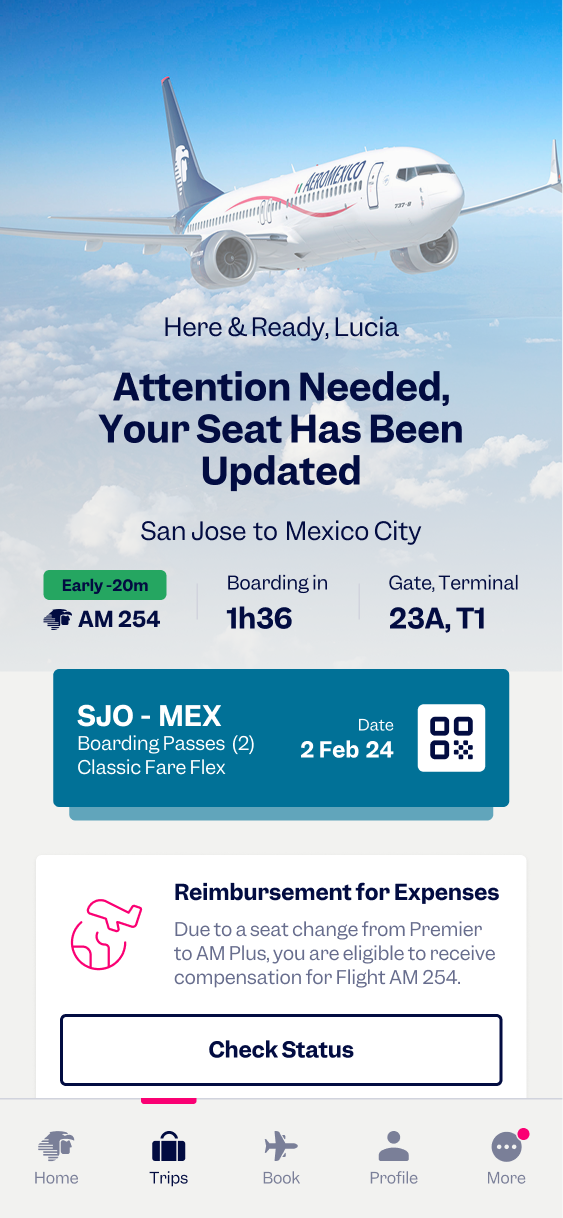
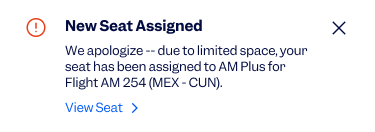
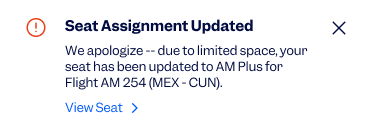
When a flight is disrupted, travelers should not have to search for information. The app sends real-time updates, surfaces the most relevant next action, and guides travelers into the right support flow before confusion sets in.
Push notifications, in-app banners, warning states, and recommended next actions
Solution 02
All Support in One Place
Travelers should not have to remember which channel handles rebooking, vouchers, refunds, or hotel support. The experience brings rebooking, hotel, meals, refunds, baggage, and wallet credits into one connected hub, turning fragmented support into a single recovery path.
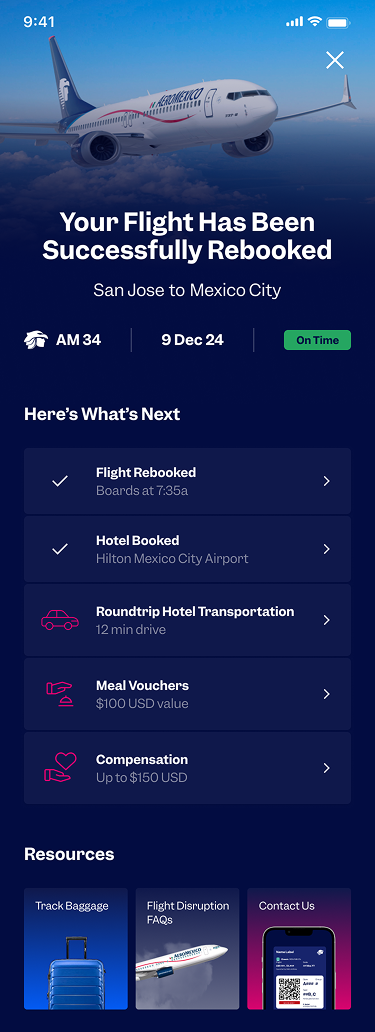
A central action hub where travelers can see and access all available support options
Solution 03
Clear Support Status
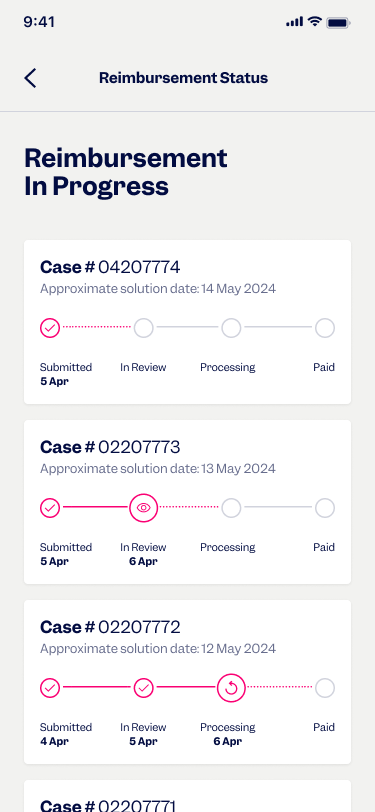
Taking action is only half the problem. Travelers also need to know what happened next. The status view shows what is confirmed, what is pending, and what still needs attention, so travelers feel in control instead of wondering what happened.
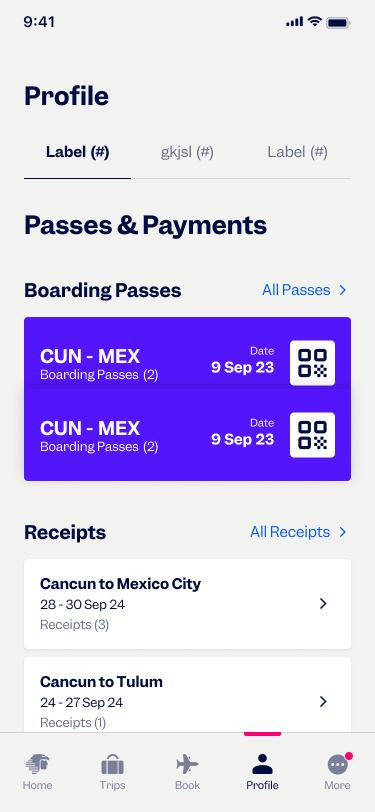
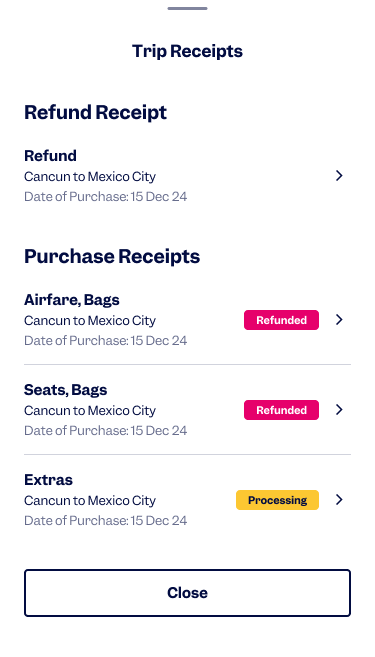
A support status view showing rebooking, refund, voucher, baggage, hotel, and wallet credit status
Before moving into detailed UI design, we used three steps to align the team, test the direction, and connect the experience end to end.
Align the Value Goals
A new self-service experience touched business, product, operations, customer support, and airport service teams. We aligned around the overlap between customer frustration, service cost, and operational complexity, and I helped translate that input into MVP priorities.
1. Biggest challenges teams face with IROPs
Ability to deliver on-time, omni-channel notifications
7
IROPs decisions & processes
6
Lack of digital/self-service options
5
Data visibility
4
Reaching customers before airport
2
Digital containment
2
2. What success means for this IROPs initiative
Better customer experience / NPS
6
Reduced costs & call center / agent intervention
6
Streamlined goals & data/info
3
Notify customers successfully
3
Improved overbooking & diversion mgt
2
Stakeholder survey across business, product, and operations · n = mentions per theme
Test the Product Direction
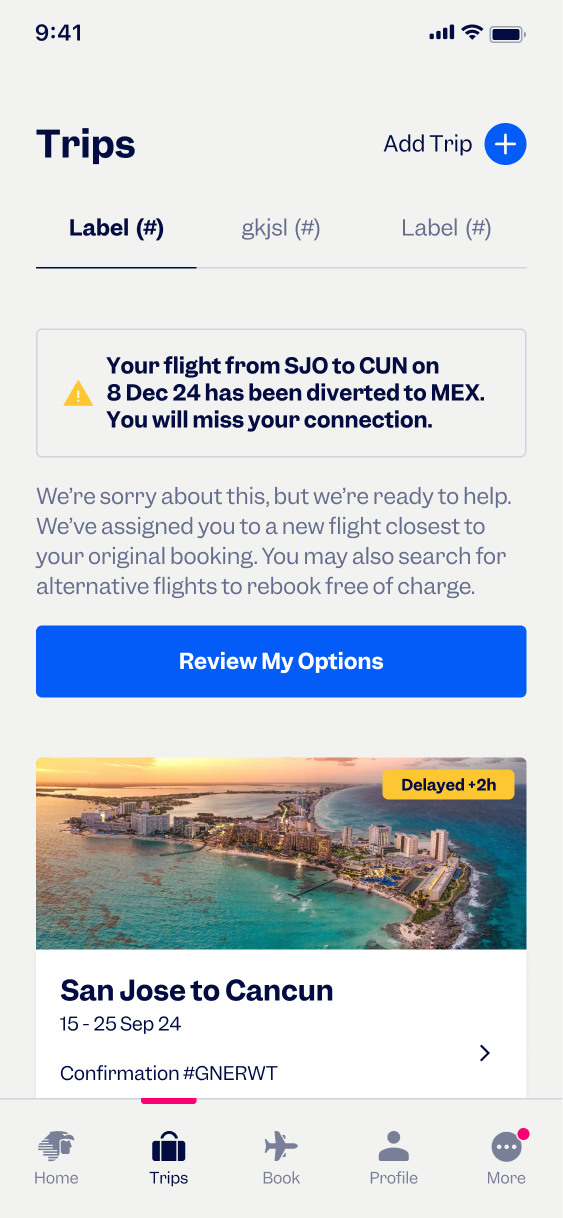
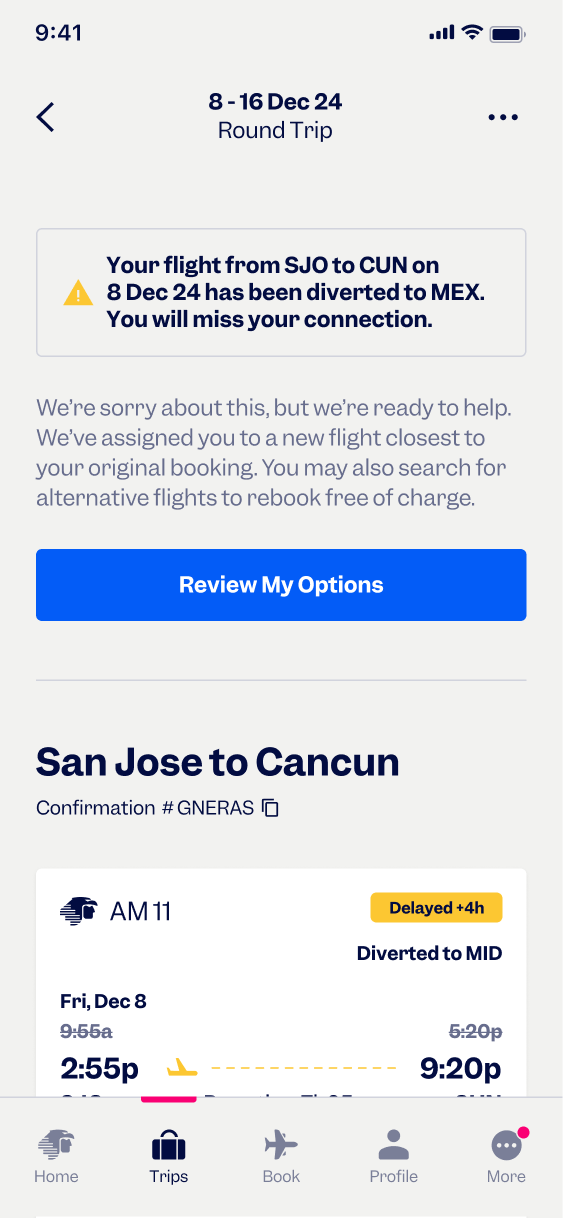
Before building the full flow, I explored key page POCs to compare how travelers could enter disruption support: through proactive alerts, trip details, or a centralized action hub.
+ Innovative, controlled, lower user effort
− Needs stronger backend / operational structure
+ Flexible, modular, easier to phase
− More steps, less elegant — but practical
Connect the Journey End to End
Once the product direction was aligned, I mapped the recovery journey beyond individual screens to understand how entry points, support actions, eligibility logic, wallet outcomes, and status tracking connected across the experience.
This flow helped us pressure-test the system: where travelers entered, what decisions the product needed to support, where handoffs happened, and how each path could lead to a clear outcome instead of another dead end.
05 Impact
The redesigned experience helped Aeroméxico move key disruption recovery actions from manual and paper-based processes into mobile self-service.
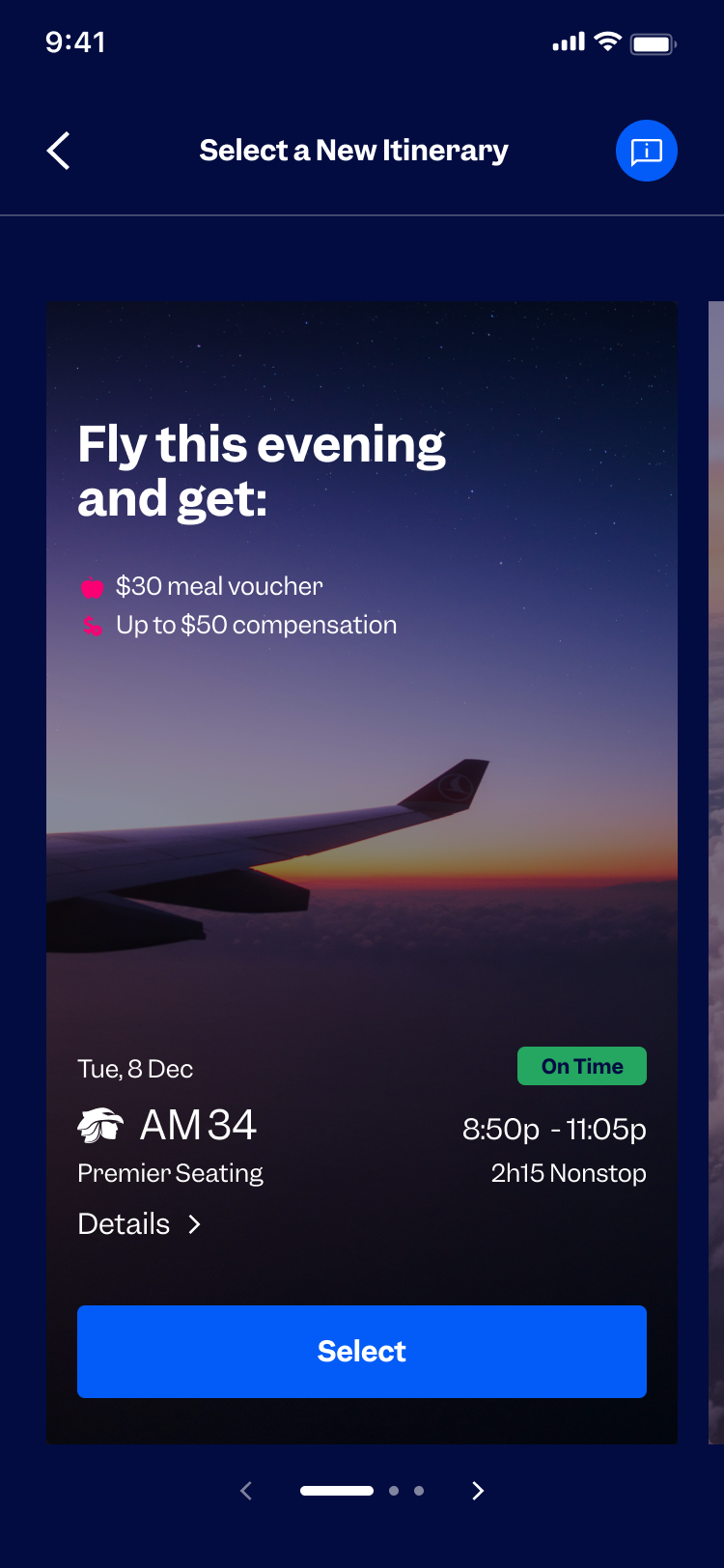
We enabled customers to rebook flights, access hotel support, and claim compensation in-app — digitizing flows that previously relied on manual processes and reducing call center dependency for eligible disruption scenarios.
28% reduction in call center volume
From an approximately 1M-call baseline
Customers can rebook, access hotel support, and claim compensation in-app
Digitized compensation and refund flows previously handled manually
Created a scalable mobile pattern for future IROP support experiences